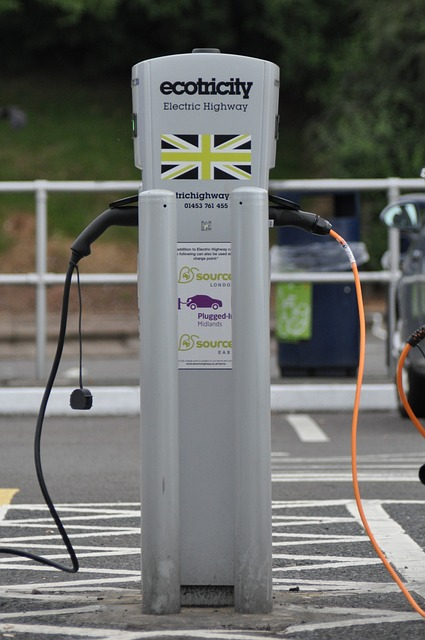

Electric vehicles (EVs) are quickly becoming the go-to choice for many drivers. The convenience and environmental benefits of these cars can't be overstated, but what most people don’t think about is how they'll charge their EV. That's where EV charging stations come in! They provide a powerful source of energy to keep your car running smoothly and efficiently. In this article, we'll discuss everything you need to know about EV charging stations: from installation tips to safety considerations and more. So if you're interested in learning all there is to know about electric vehicle charging, read on! Browse electric vehicle Inventory in Knoxville. The first thing to understand when it comes to EVs and charging stations is that not all chargers are created equal. Different types of charger vary greatly in terms of power output, speed of charge, cost, and other features. Understanding the differences between each type will give you an advantage when selecting one for your home or business. We'll cover the various types available so you can make an informed decision when purchasing a charger for your EV needs. Click here to view an Electric Vehicle Charger Map. Finally, installing a charging station requires careful planning and attention to detail; after all, improper installation could lead to serious safety risks or damage down the line. This article also includes helpful advice on safely setting up a charger at home or work as well as best practices for maintenance once it has been successfully installed. With our guidance, you'll have no trouble getting your EV up and running with minimal inconvenience - giving you one less worry when driving around town in your new eco-friendly ride! What is An Electric Charger? An EV charging station, also known as an electric vehicle charger or EVSE (electric vehicle supply equipment), is a device that connects to an electrical outlet and supplies electricity to charge up your electric car. It can be installed either at home or in public locations. The type of EV charging station you need depends on the make and model of your car, so it's important to consult with an expert before installing one. The most popular types of EV chargers are AC Level 1 and 2 chargers, which provide power from 110V - 240V outlets. They're usually used for overnight charges at home or work and can take several hours to fully charge depending on how low your battery is. DC fast chargers use higher voltage power sources such as 480V three-phase power and offer faster charging times than other kinds of chargers; however, they require a more complicated installation process due to their high energy level requirements. As the market for EVs continues to grow, so does the demand for efficient charging infrastructure. Charging ports come in various shapes, sizes, and connection types—so it's essential to understand what will work best for your particular needs before selecting one. Knowing all these details ahead of time can help ensure that you get the right type of ev charger installation for optimal performance when powering up your ride! Benefits Of EV Charging Stations There are many benefits of installing electric vehicle (EV) charging stations. First, it provides convenience to those who own electric cars such as Teslas or other brands that require an EV charger for their vehicles. An EV charger is a device used to recharge the battery of an electric car and allows users to charge when they need to without needing to wait in line at a public charging station. This means drivers can plug in their EVs quickly and efficiently while also avoiding having to go out of their way to access one. Second, installing EV charging stations can help reduce emissions from gas-powered vehicles by encouraging people to switch over to more eco-friendly options like hybrid or all-electric vehicles. This will contribute positively towards reducing air pollution caused by burning fossil fuels which has been linked with health problems such as asthma and lung cancer. Additionally, providing charging infrastructure makes driving longer distances easier since Tesla Superchargers have become increasingly available across the nation and make traveling between cities much simpler than before. Browse electric vehicle Inventory in Knoxville. Finally, using EV chargers helps save money on fuel costs since electricity is often cheaper than gasoline or diesel fuel when purchased through renewable sources like solar energy. This could result in significant savings for businesses operating fleets of electric cars, allowing them to stretch their budget further and maximize profits over time. Furthermore, some states offer incentives for businesses that install EV charging stations which may offset costs associated with purchasing the equipment itself or any installation fees charged by professionals hired for this purpose. All in all, there are numerous advantages of investing in EV chargers for both individuals and companies alike ranging from increased convenience, reduced environmental impacts, cost savings, and potential government subsidies - making it a smart choice overall. Types Of Electric Vehicle Chargers The electric vehicle charging station is a symbol of the future, one that we are beginning to witness today. At its core, it is an effective and efficient way for EV owners to charge their vehicles with minimal fuss and cost. Although there are many different types of EV charging stations available on the market, they can generally be divided into three main categories: fast charging, standard charging, and home-based charging. Fast Charging: These chargers provide higher power output than other types of chargers, allowing your car’s battery to reach 80% capacity in around 30 minutes. This type of charger typically requires a special cord length that ranges from 20 ft - 50 ft depending on the make and model of your electric vehicle. Standard Charging As opposed to fast charging, this type offers slower but more consistent charge times which usually take up to 6 hours or more depending on how depleted the battery was when you began charging it. The cords used for these chargers range from 8ft - 25ft depending on your car's compatibility specifications. Home-Based Charging This option provides the most convenience as it allows you to install an EV charger either indoors or outdoors at your residence so that you can easily plug in whenever necessary without having to worry about finding public outlets or long extension cords. Some residential models may not offer as much power as commercial versions but will still get the job done if you just plan on using them infrequently or want something cheap and easy to install yourself. It is important to consider all these factors before deciding what kind of EV charger best suits your needs because each has its own advantages and disadvantages. In order to maximize efficiency while also saving money over time, researching all available options thoroughly is essential before making any purchase decisions. Components Of Electric Vehicle Chargers Having discussed the various types of EV Charging Stations, let us now take a look at the components that make up an electric vehicle (EV) charger. An EV charger can be broken down into three key elements: battery capacity, charging network and licensed electrician. Battery Capacity The amount of energy stored in an automobile's battery or power source for powering its motor. It is measured in kilowatt-hours (kWh). Charging Network A system composed of hardware and software solutions that enable users to access public charging stations for their EVs. This includes payment systems, operational monitoring, load balancing and other features. Licensed Electrician An individual who holds a valid license from the local government to install electrical equipment according to safety protocols set by authorities. They are responsible for connecting your residential or commercial property to the grid so you can charge your car safely and efficiently. It is important that these components work together harmoniously in order to ensure efficient performance while keeping safety as top priority. When selecting an EV charging station, it is essential to consider all aspects such as compatibility with existing infrastructure, size of batteries supported and pricing structure offered by each manufacturer before making any purchase decisions. Additionally, when installing a new one at home or commercially, enlisting the services of a qualified professional will help guarantee trouble free operations throughout its lifetime. Making sure that all components of an EV charging station are properly installed and running correctly will maximize your enjoyment out of owning an electric vehicle while ensuring maximum safety standards have been met at all times. With proper maintenance and regular inspections conducted by certified technicians you can enjoy years of reliable service from your investment in an EV charger! Finding A Public Electric Vehicle Chargers Finding a public EV charging station is key for many electric vehicle (EV) drivers. With the growing popularity of EVs in recent years, it’s no surprise that more and more people are looking to join the EV revolution. But with all this enthusiasm comes an often overlooked issue – installation costs. Installing an EV charging station isn't as simple as plugging something into your wall outlet; it requires professional licensing and expertise from an experienced licensed electrician. This means you'll need to research local professionals who can help you set up your station safely and securely so you can start charging right away. Browse electric vehicle Inventory in Knoxville. Fortunately, there are several resources available online that provide EV drivers guidance on how to find the best contractor for your needs, including reviews, ratings, prices, and more. It's important to remember that having access to a quality charger could save you time and money over the long run, so take the time to do some research before committing to any particular contractor or service provider. Cost To Install An EV Charging Port: The cost of installing an EV charging station will vary depending on the type and complexity of the installation. This can include such factors as the need to upgrade an electrical panel, the capabilities of your home’s wiring system, and what type of charger you would like to install. On average, however, a typical residential level 2 unit can range from $500-$2,000 for hardware alone; labor costs may be extra. Installation costs are worth it in the long-run: EV drivers save money by not relying on fossil fuels, plus they benefit from government incentives that encourage uptake in more than a decade’s effort to reduce greenhouse gas emissions. The global market value is expected to reach over 32 billion dollars by 2027 - so investing now could pay off well into the future! EV charging stations provide convenience and peace of mind when out and about while driving electric vehicles. With proper research and planning ahead of time, anyone looking to switch their car to electric power can make informed decisions regarding the right types of chargers for them - without breaking their budget. How Does An Electric Vehicle Charger Work? Electric vehicles (EVs) have become the wave of the future, and most EV drivers are eager to know just how an EV charging station works. To put it plainly, a charging station is essentially like a gas pump, but for electricity instead of fuel. With this in mind, let's explore further what goes into powering up your electric vehicle at an EV charging station. Essentially, all EVs come with their own corded charger that connects to a power source - either from home or from a public charging point. This cord will be plugged into the car's port to start the flow of electricity between the two points. After that, it'll take about 30 minutes for most EVs to reach full charge on Level 2 chargers; however, some may take longer depending on how depleted their battery is. On top of this connection process, many modern EV charging stations also include integrated payment systems so that users can pay for their energy usage directly through their phone or credit card without having to leave the comfort of their car. They even offer subscription-based services which allow customers to pre-pay for multiple charges at once over a given period of time - making recharging convenient and hassle free. It's no wonder why more and more people are turning towards EVs as they provide both convenience and cost savings compared to traditional gas powered cars. As we continue down this road toward sustainability and green living, understanding how these new technologies work is essential if you want to make sure your electric vehicle stays charged up! How To Operate An EV Charging Station Operating an EV Charging Station is not complicated, but there are a few important steps you should follow. First, it's important to read all the instructions and safety warnings before using a charging station. This includes ensuring that the cable connecting the car to the station isn't damaged or frayed in any way. Once you've done this, check if your vehicle has been pre-registered with the charger or if you need to register beforehand. If so, make sure to set up payment information ahead of time as well. Next, connect your electric vehicle (EV) to the charging station by plugging one end into your car’s outlet and another into the charger itself. Depending on what type of charging station it is, it may take some time for your battery to begin receiving power from the station – don’t worry though; once it does start charging, most stations will automatically switch off when full charge has been reached. Finally, be aware of any local laws regarding public use of charging stations and ensure that no other vehicles are obstructing access. Always remember to disconnect properly when finished – never leave an EV connected overnight or unattended during its charge cycle! Safety Tips For Using An EV Charging Station Now that we know how to operate an EV charging station, the next step is making sure it's safe. After all, a sparking outlet or malfunctioning charger could be hazardous. Fortunately, there are ways to ensure your safety when using one of these stations. First and foremost, you should always inspect the area around the charging port for any hazards before plugging in your vehicle. This includes checking for water puddles, frayed wires, and other potential problems. Additionally, you should make sure no combustible materials such as gasoline or oil are nearby the charging station so they don't catch fire if sparks occur during operation. Here are some additional tips to help keep you safe while using an EV charging station: Read instructions: Before doing anything else at the station, read all instructions carefully. Make sure you understand everything printed on labels near the port as well as any signs posted by the manufacturer or owner of the facility where the charge point is located. Be aware of environment: Always pay attention to your surroundings when at a charging station and watch out for people who may not be familiar with its operations or dangers posed by electricity. Be aware of anyone approaching too close to the unit and make sure children stay away from it altogether. Avoid contact with metal components: Remember not to touch any exposed metal parts on either side of the cable connector when connecting/disconnecting cables – this can cause electric shock! If needed use insulated gloves or tools instead. Finally, never leave your car unattended while it’s plugged into an EV charger; supervise it closely at all times and unplug once it’s done charging up safely. The Future Of EV Charging Stations The future of EV charging stations is looking brighter than ever. This is due to a combination of factors, including the increasing popularity of electric vehicles and advancements in technology. As more people purchase EVs, there will be an increased demand for charging infrastructure. In response to this demand, manufacturers are developing new solutions that can provide faster and more efficient charging times. In addition, companies are utilizing cutting-edge technologies such as artificial intelligence (AI) to improve their products. AI has enabled smart chargers to anticipate usage patterns, optimize electricity consumption levels and detect system faults in order to maximize efficiency. For example, one company has developed an AI-powered charger which can predict when customers will need a charge and adjust its output accordingly to ensure a smooth transition between different energy sources. As technological innovations continue to emerge, it's likely that EV charging stations will become increasingly commonplace in our daily lives. The availability of these devices will make it easier for drivers to keep their cars powered up while on the go and help reduce our dependence on fossil fuels. Ultimately, this could lead to reduced emissions and improved air quality around the world – something we can all benefit from! Different Payment Options Available At An Ev Charging Station Exploring the world of electric vehicle (EV) charging stations can be quite daunting. It's important to understand all the payment options available when you are getting ready to charge your car. Here is a quick breakdown of some of the different methods: Credit Card - Pay with any major credit card at most EV charging stations. You will usually need to provide identification and sign off on the transaction. Debit Card - Most EV charging stations accept debit cards for payment, but it may depend on the specific station which types they accept. Make sure you have enough funds in your account before attempting to pay this way! Cash - Some charging stations still allow cash payments, though it’s becoming increasingly rare due to security concerns. If opting for this method, make sure that you bring exact change as many do not offer refunds or make changes. Mobile App - Several mobile apps now exist allowing drivers to locate and even reserve an EV charger ahead of time; these typically require linking a bank account or credit/debit card so that payment can be securely processed after each session ends. This shows just how much technological advancement has been made regarding EVs - there are now multiple ways to pay depending on what kind of convenience works best for you! Whether it's paying by cash if you don't mind carrying around coins and bills, using a credit or debit card if you're looking for instant gratification, or downloading an app if you want complete control over where and when you'll be able to charge up your vehicle - knowing about these various payment options will ensure that your next trip in your electric car goes as smoothly as possible! Conclusion In conclusion, EV charging stations are an essential part of a green future. They provide convenience and flexibility for electric vehicle owners, allowing them to charge their vehicles anywhere and anytime. With the variety of types available, from home-based charging stations to public ones, there is sure to be one that fits your needs and budget. While using an EV charging station can come with some challenges, such as needing different payment methods or troubleshooting common issues, the benefits greatly outweigh any potential drawbacks. EV charging stations are here to stay - they’re becoming increasingly popular around the world due to growing demand for greener transportation options. As technology advances, we'll see even greater advancements in these devices designed to make sustainability easier for everyone involved. I'm excited about what lies ahead!